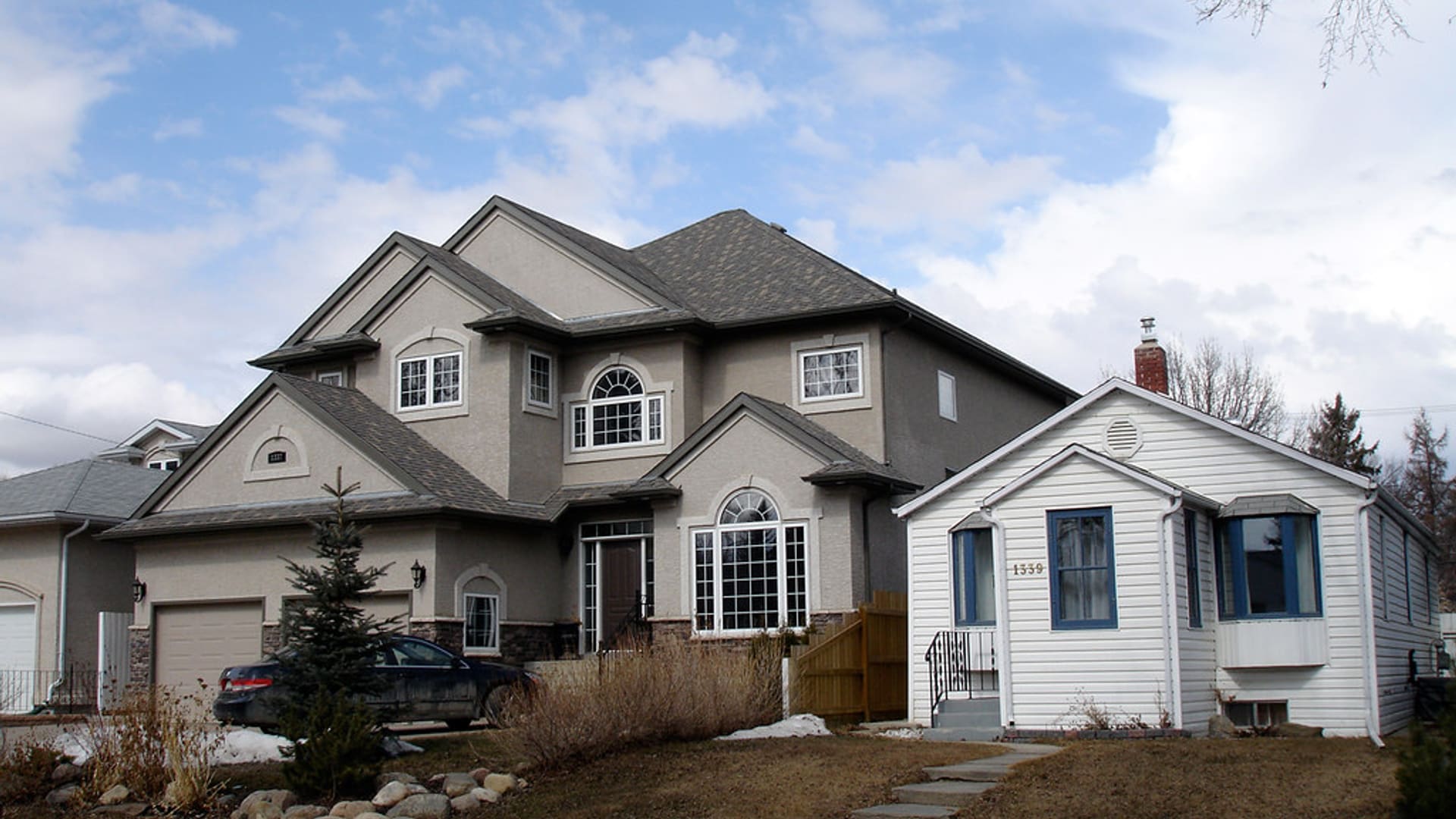
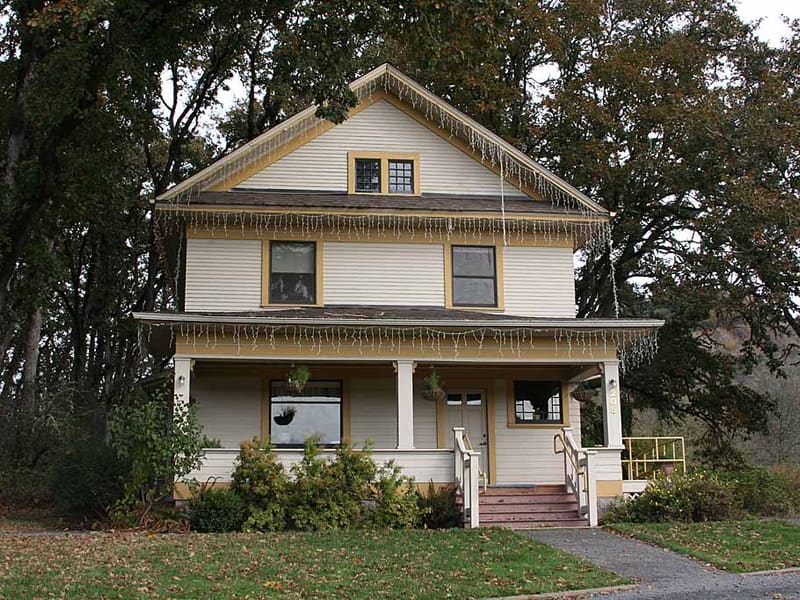
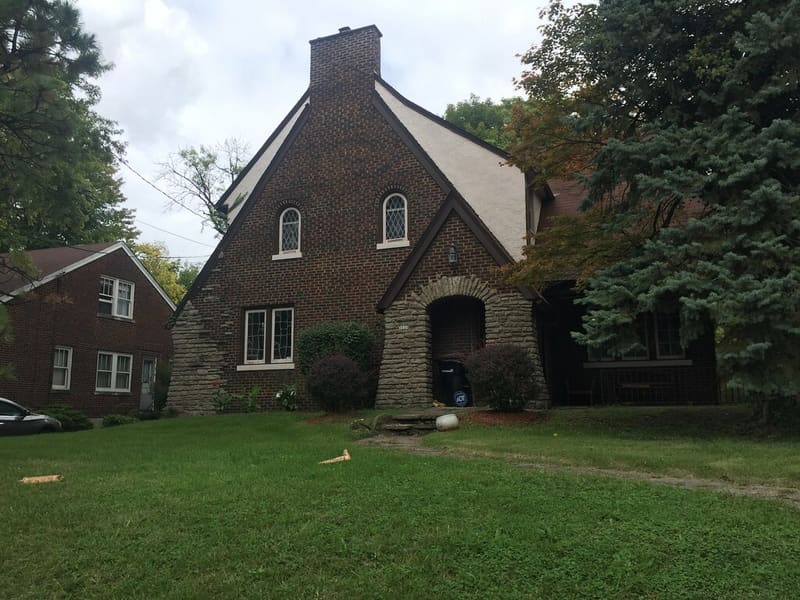
Find the failed shingle, seam, flashing joint, or roof edge before deciding how much roofing to open.
A useful repair solves the local defect and checks that the surrounding roof can support it.
Start With the Part That Failed
A few shingles in the yard do not reveal everything that happened on the slope. Their seal strips may have released cleanly, or adjacent tabs may be creased and ready to lift during the next wind. A ceiling mark beside a chimney can come from counterflashing, step flashing, masonry joints, or a nail hole higher on the plane. The first inspection narrows the mechanism before pricing the repair.
Maryland roofs add regional complications. Baltimore rowhomes collect water at seams, scuppers, parapets, and wall terminations. Postwar colonials in the DC suburbs often have additions or chimney details that interrupt long asphalt slopes. Western freeze-thaw works at eaves and fasteners. Call (443) 347-6144 with the material, interior symptom, and recent weather so the visit can be routed correctly.
Contained Repairs Worth Pricing First
Focused scopes commonly replace a split pipe boot, rebuild a short run of step flashing, reset ridge cap, splice a serviceable membrane, replace a small shingle field, or cut out limited soft sheathing. Each detail needs compatible material and a sound tie-in. Slate should be handled as slate; a low-slope seam should not be treated as if it were an asphalt tab.
Typical small work falls in the $325-$800 planning range, while leak tracing, chimney flashing, a membrane patch, or limited decking often lands between $750 and $1,900. The free inspection confirms which range fits. See the Maryland replacement cost guide for the complete pricing table and the factors that move a bid.
A focused repair ties new material into sound shingles, underlayment, flashing, and decking.
When the Repair Area Needs to Grow
Opening the roof sometimes changes the job. Blackened sheathing can still be firm and dry, while swollen or delaminated panels may need removal. A wind-created opening may extend farther than the missing tab. A flat-roof blister can conceal wet insulation beyond its visible edge. The quote should state how additional decking or material is handled if concealed damage appears.
Storm calls deserve a wider look at ridges, eaves, vents, gutters, siding transitions, and the whole affected plane. The storm and wind damage page explains photo documentation and insurer limits. If water is moving now, request an emergency dry-in before finish materials are selected.
Know When Another Patch Is Poor Value
Replacement deserves a quote when shingles break during ordinary handling, leaks appear on unrelated planes, membrane patches surround more patches, or several decking areas feel soft. One clean repair can still buy useful time on a sound roof. Repeating the same repair on a surface that can no longer hold it usually cannot.
A photo-backed roof inspection should separate current failure from general wear. If repair and replacement are both defensible, ask for two written paths with assumptions, expected limits, and work that would carry into the larger project later.
Read the Scope Before Work Starts
The proposal should name the roof plane, materials to remove and install, flashing or membrane details, decking allowance, cleanup, access, and weather limitations. Permit requirements vary by county and city, so the serving contractor verifies the rule for the final scope. Workmanship coverage and manufacturer product terms also belong in writing.
Ask who will perform the job and request the serving contractor’s MHIC number. Maryland home-improvement advertisements must contain the contractor name and MHIC license number; consumers can check the number through the Maryland Department of Labor. That verification belongs beside price and scope in any hiring decision.
Roof Repair Maryland FAQs
Which Maryland roof defects often stay within a small repair scope?
A split pipe boot, several missing shingles, a short flashing defect, or one contained membrane opening can stay small when nearby roofing and decking remain sound. Access and material matching still affect the firm quote.
How should mixed slate and asphalt sections be handled?
Each section should be diagnosed and scoped for its own material. A contractor may preserve sound slate while repairing an asphalt addition, but the flashing and drainage between them must work as one system.
What evidence shows that a repair is likely to hold?
Look for photos of sound surrounding shingles or membrane, firm decking, a specific failure point, and a repair detail that integrates with existing material. Repeat leaks and broad brittleness weaken that case.
Who verifies permit needs for a Maryland roof repair?
The serving contractor checks the current county or city requirements after the scope is known. A limited repair and a larger section replacement may be treated differently.