Which shingle changes suggest a closer wind inspection?
Missing tabs, lifted edges, broken seal strips, diagonal creases, torn ridge cap, and exposed fasteners all deserve review. A fresh interior stain can indicate a less visible opening.
Stabilize active water, preserve useful evidence, and let observed conditions drive the written scope.
A missing shingle is obvious from the driveway. A crease through the tab beside it, a loosened ridge cap, or a flashing lap opened by the same gust may not be. Low-slope roofs can lift at a perimeter or termination, and branch impact can crack a vent or bruise decking beyond the point where the limb landed.
Nor’easters, tropical-storm remnants, Chesapeake wind, and wind-driven rain can expose those weak details across Maryland. Call (443) 347-6144 after conditions are safe and describe visible material, active water, branch involvement, and the property location. Stay off damp shingles and unsecured membrane.
Useful documentation starts with overview photos, then moves to the affected plane, ridge, eaves, valleys, vents, flashing, gutters, siding edges, and any interior stain. Measurements and material notes belong with the images. On Baltimore rowhomes, parapets, scuppers, drains, seams, and rooftop penetrations need their own frames because street-level views reveal very little.
The report should distinguish fresh displacement or impact from general aging without claiming more than the evidence shows. It should also identify conditions that need immediate protection. A roof inspection can expand the record when the storm call uncovers brittle shingles, old patches, or drainage trouble beyond the damaged area.
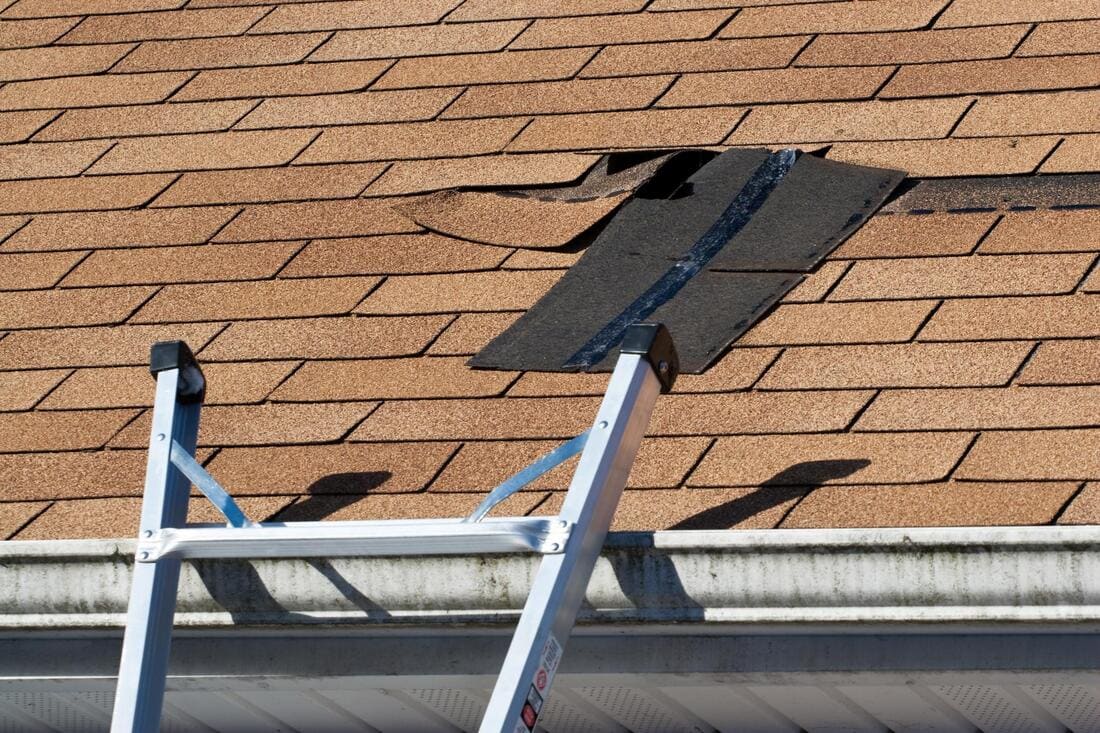
When a branch has opened decking or rain is entering, protect the building first. The contractor may photograph conditions, then install a tarp, temporary patch, or dry-in. That work buys time; it does not settle the permanent repair method or any insurance question. Review emergency roof repair for safe steps inside the home.
Keep receipts, inspection photos, and copies of every written scope. Do not delay necessary mitigation solely to wait for an appointment, and do not climb onto the roof to gather more images. The serving contractor and insurer can each say what documentation they require.
The serving contractor may provide photos, measurements, material identification, and an itemized repair or replacement estimate. An adjuster meeting can help clarify the physical scope. The insurer decides whether a loss is covered and what policy terms apply. No contractor or marketing platform can promise approval or a particular payment.
Reject any proposal built around a deductible waiver, an unpriced promise, or a claim result presented as certain. Keep the responsibilities clear: the homeowner is responsible for the construction contract, and the insurer is responsible for its own coverage decision.
One wind-damaged section with healthy material around it may support a focused roof repair. Creasing across several planes, widespread loss of adhesion, soft decking, or a surface already near the end of useful life may make replacement more coherent. The estimate should explain the boundary between storm work and pre-existing wear.
Compare the proposed system, tear-off, underlayment, flashing, ventilation, decking allowance, cleanup, and permit responsibility. The Maryland cost guide provides planning ranges, but the inspected roof controls the final recommendation and written price.
Keep pre-repair photographs even when no insurance request is planned. They establish which plane and detail were opened, what adjacent material looked like, and why the selected boundary was reasonable. Completed-work photos close that record without making promises about future weather or material life.
Missing tabs, lifted edges, broken seal strips, diagonal creases, torn ridge cap, and exposed fasteners all deserve review. A fresh interior stain can indicate a less visible opening.
No. Protect the building first. The contractor can photograph safely visible conditions before, during, and after the dry-in without leaving the interior exposed for the sake of a record.
Replacement may be considered when damage crosses several planes, matching or reliable tie-in is impractical, decking is compromised, or the existing surface cannot support a durable repair.
Bent gutters, loose cladding, damaged trim, and open wall flashing can show the same wind path and may admit water separately from the roof surface.
Maryland Roof Pros
(443) 347-6144