Why can a correct replacement siding panel still look different?
The original surface may have faded, and the exact profile or texture may no longer be produced. Review a sample and the likely patch boundary before authorizing work.
The visible siding defect may be the opening, the exit point, or damage caused by water from somewhere above.
Water beside an addition can enter through an open siding seam, failed trim, step flashing, kickout detail, gutter spill, or the roof plane above. Covering stained cladding without tracing the path may trap moisture and leave the opening active. Inspection starts high, follows laps and transitions, then checks the wall area where water appears.
Call (443) 347-6144 for wind-loosened panels, broken cladding, wet trim, or an interior stain close to an exterior wall. If rain is entering at the roof line, review roof leak tracing before the wall is closed.
A panel or short section can often be repaired when nearby fastening edges, weather-resistive layers, and trim remain usable. The contractor may need to remove more cladding than the visible crack suggests so new material can lap and fasten correctly. The scope should distinguish cosmetic replacement from repairs to wet sheathing or trim behind it.
Wind damage deserves a wider check along corners, starter strips, roof-to-wall joints, and openings. The storm and wind page explains how roof, gutter, and siding photos can be recorded in the same exterior report.
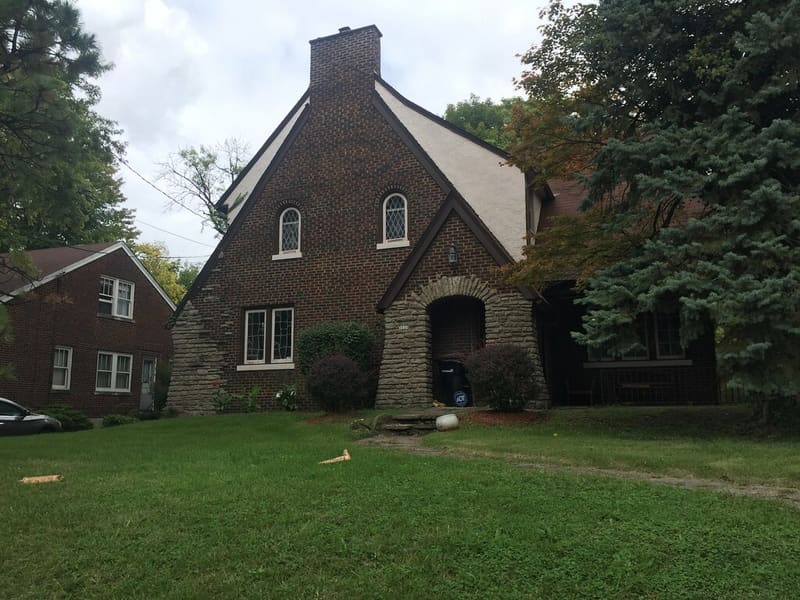
An older vinyl profile may no longer be made. Even if its dimensions match, years of sun and weather can leave a visible color difference. Fiber-cement texture, panel exposure, and trim proportions create similar issues. Before ordering material, ask which parts can be matched and which elevation may show a patch line.
A larger replacement area can create a more consistent finish, but appearance alone should not be used to enlarge a structural repair without explanation. The written proposal should show the minimum weatherproof scope and any optional expansion for visual continuity.
Wind-driven rain and humid air can leave wall sheathing and trim damp behind an apparently minor opening. Soft wood, staining, corrosion, and deteriorated flashing can expand the scope after cladding is removed. The quote should state how concealed damage is documented and priced before work continues.
Drainage can be the source rather than the siding. A gutter that spills toward the wall or lacks a useful downspout route can keep wetting the repair. Read the gutter guide when overflow, fascia stains, or roof-edge water appears with the cladding damage.
Roof replacement may require siding to be loosened at step flashing or gutters removed at the eaves. Planning that sequence in one written exterior scope reduces the risk of cutting into completed work. It also makes responsibility for flashing, trim, disposal, and cleanup easier to follow.
Use the Maryland roof cost guide for the roofing part of a combined project. The serving contractor should verify local permit requirements after the wall and roof scope is settled and provide the contractor name and MHIC license number for Maryland home-improvement work.
Before siding is reinstalled at a roof-to-wall joint, request a photo of the flashing and water-shedding layers underneath. Once trim and cladding close the assembly, that detail becomes difficult to evaluate. A construction photo gives the homeowner a record of what the finished surface conceals.
Label the photo by wall and roof plane so it remains useful during a later leak investigation.
The original surface may have faded, and the exact profile or texture may no longer be produced. Review a sample and the likely patch boundary before authorizing work.
An open siding lap, trim joint, or flashing transition can admit water above the indoor stain and direct it behind otherwise sound shingles or wall finishes.
Check corners, starter strips, seams, trim, roof-to-wall joints, and panels around openings. Loose material may admit water later even without a visible crack.
It should assign flashing, trim, cladding removal, roof-edge work, gutters, concealed damage, disposal, cleanup, permit checks, and sequencing to a clear scope.
Maryland Roof Pros
(443) 347-6144