Baltimore Rowhomes Put Drainage First
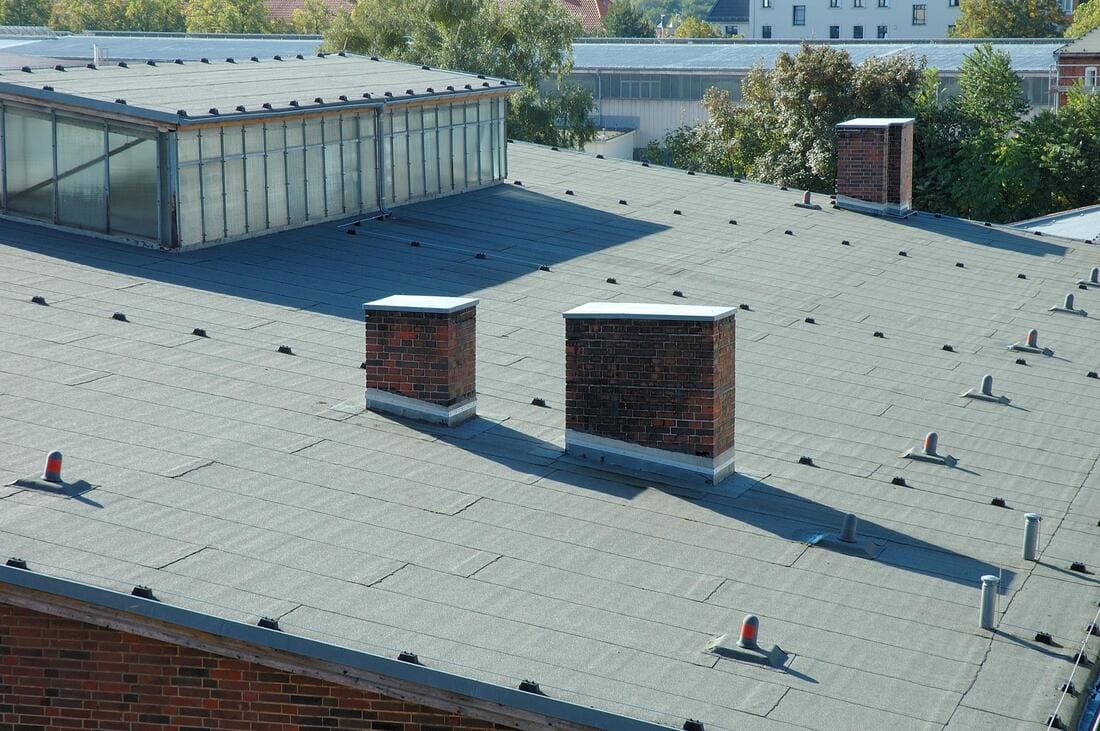
Baltimore’s early Federal-era rows commonly used pitched roofs, while the Italianate and Renaissance Revival rows that followed brought the flat and low-slope rooflines associated with the city. That history creates present-day replacement questions about membranes, parapet walls, drains, scuppers, shared edges, and roof access before a material price means much.
Call (443) 347-6144 with the building type, leak history, visible ponding, and access details. Calls route to a licensed, insured independent Maryland roofing contractor serving your area. The contractor confirms availability and provides the final scope and terms.
A Flat Roof Leak Is a System Question
A surface split may be repairable when drainage, insulation, and nearby membrane remain sound. Chronic ponding, wet insulation, open seams across the field, or repeated parapet leaks make another coating less convincing. The inspection should follow water to wall terminations and shared edges instead of assuming the visible blister is the only defect.
Use Maryland leak tracing when the entry point is uncertain. A focused roof repair still belongs in the discussion when one seam, drain detail, or penetration has failed on an otherwise serviceable roof.
Metro Housing Stock Includes Pitched Roof Decisions Too
Baltimore roof work is not limited to rowhomes. Older slate and asphalt details appear across the city, while much of the surrounding metro’s roofing stock dates to the mid-20th century. A replacement inspection may find porch roofs, additions, or prior materials that have different remaining lives on the same property.
Brittle asphalt, leaks on separate planes, and soft sheathing can support replacement. Sound slate or one isolated flashing failure may support a narrower scope. The recommendation should identify which sections stay, which sections change, and how flashing joins them.
Tight Access Changes Labor and Protection
Rowhome staging, alleys, close neighboring roofs, rooftop equipment, tear-off handling, and interior access to upper levels can move the quote. The contractor should state how debris is removed, how adjoining property is protected, and how an open roof will be dried in if weather shifts.
Many rowhome flat or low-slope membrane replacements fall between $7,000-$18,000, confirmed after inspection. Architectural asphalt replacements follow a separate statewide range. The Maryland cost guide explains both without treating one roof system like the other.
Before You Approve the Baltimore Scope
Compare membrane or shingle system, tear-off, drainage, parapet work, insulation and decking assumptions, penetrations, flashing, disposal, cleanup, weather protection, and permit responsibility. Your contractor verifies the current local permit requirements after the scope is known.
Ask for the contractor name and MHIC license number, then verify it through the Maryland Department of Labor. Maryland home-improvement advertisements must include both. No insurer result is promised; for storm findings, use the storm documentation guide and keep the physical scope separate from coverage.
For a rowhome membrane bid, ask the inspector to mark high and low drainage points in the photos. That record makes it easier to understand why a drain, scupper, tapered section, or parapet detail appears in the proposal and why another coat over the visible stain may not correct water movement.
Maryland Roof Pros
(443) 347-6144